We need your help to keep this website free. You can


PandaStudio released version 2.1.63 on November 14 with changes aimed at long videos containing many cuts, repeated animated graphics and moving text. The developer says the update shortens an audio-processing stage that could leave heavily edited recordings sitting on Processing for hours. Downloads are listed for Windows and both Apple Silicon and Intel Macs.

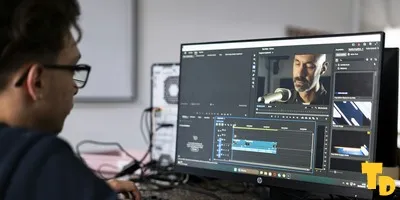
Source: Jakub Żerdzicki / Unsplash, Unsplash License. Archive photograph of a filmmaker’s editing workstation and camera equipment, published in September 2025. Cropped.
According to the release notes, the audio pass after frame rendering now handles the cuts in one operation. Repeated uses of the same animated emoji or GIF also avoid work that previously slowed each frame, and moving text is drawn once. The developer describes a substantial time saving for the affected audio stage. It provides no standardized benchmark covering every computer or project.
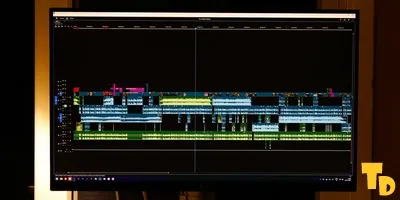
A long recording can contain a large number of edits
Consider a recorded interview with pauses and false starts removed. The audience may see one continuous conversation, but its timeline can consist of hundreds of retained segments. Adding captions, repeated graphics or closing credits gives the export more work to do. The new changes target that finishing stage, after the creator has decided what belongs in the cut.
That distinction matters for scheduling a release. Time saved generating a rough edit and time saved writing the final file occur at different points. Our recent coverage of Bana Video's gap and clip controls concerned decisions on the timeline. The PandaStudio update concerns how an already assembled project becomes an exported video.
Export settings still determine the delivery file
PandaStudio's export guide asks users to choose their resolution, frame rate and quality in the Export dialog. Those settings serve a different purpose from the new processing optimization. A creator delivering the same recording in two shapes still needs to choose the appropriate output for each destination.
The product overview describes landscape exports for YouTube, vertical outputs for Shorts and other shapes. It also documents local MP4 export up to 4K and direct publishing options. A long interview and a vertical excerpt can therefore come from one source recording while remaining separate deliverables with their own framing and final review.
The release also follows several days of changes around saved edits and project recovery. That broader work is relevant to finishing a video reliably. Our report on Auk's save-on-exit checks covered another approach to protecting an editing session. Keeping an edit available and producing its delivery file are successive steps in the publishing process.
The general process of video encoding turns the chosen picture and sound into the output stream. Version 2.1.63's stated gains apply to identified work inside that process. The release notes support a narrower conclusion than a universal export-speed claim: projects with many cuts or repeated graphics are the workloads the developer says it has improved.