We need your help to keep this website free. You can

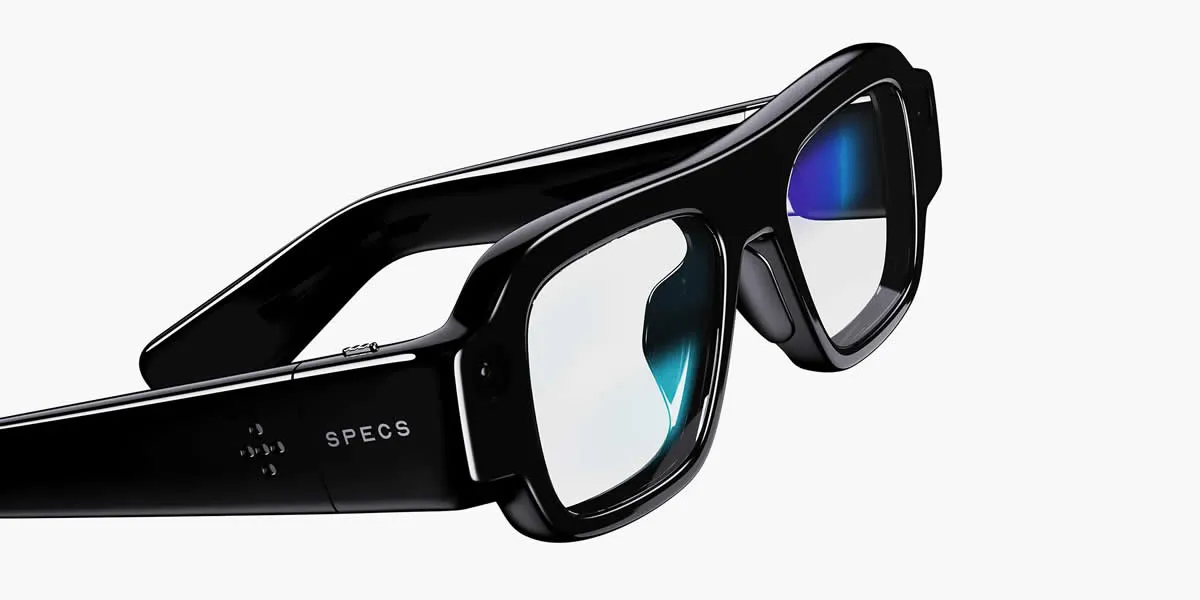
Snap has opened pre-orders for its AR-enabled Specs glasses, bringing its long-running wearable project into a consumer product. The standalone device is priced at $2,195 and has a 51-degree field of view, designed to place digital overlays and AI-powered elements directly in front of the wearer. Pre-orders are available in the United States, France and the United Kingdom, with shipping expected to begin in October.
A New Surface for Visual Experiences
AR glasses change the idea of a screen by moving information into a person’s line of sight. Instead of opening an app and looking down at a phone, a wearer can see contextual overlays while moving through a room or completing a task. Snap is also adding Specs Intelligence, an AI service intended to anticipate useful information from connected apps and tools.
For creators, the larger point is that visual content will need to work in more than one environment. A clip, product image or guide may first be seen on a phone, then on a headset or inside an AR view. That puts even more pressure on the first image to communicate quickly. The same visual discipline behind zero-text thumbnails can be useful here: a clear subject and strong composition often travel better than a crowded frame.
Price and Comfort Will Shape the First Audience
The Specs launch is ambitious, but its price means the first buyers are likely to be technology enthusiasts, developers and creators who want to test a new form of computing. Consumer adoption will depend on more than the AR experience itself. Comfort, battery life, social acceptance and the usefulness of the available apps will all influence whether the glasses become part of everyday routines.
Wearable cameras and intelligent overlays also keep privacy in the conversation. People nearby need to understand when technology is present and what it can do, while users need clear controls over the information their devices access. Those questions have already surrounded other connected eyewear, including the issues explored in our article on privacy concerns around Meta smart glasses.
What the Launch Means for Creators
Specs may not replace phones or conventional screens, but the launch is another sign that social platforms are looking beyond the feed. AR tools can make a tutorial more immediate, put a virtual product into a real setting or give an event a new layer of interaction. Creators who experiment with these formats will need to think about perspective, framing and whether a visual makes sense at a glance.
The practical lesson is simple: keep visual ideas clear enough to work across changing devices. A strong thumbnail or cover image remains a useful promise of what a viewer will find, whether that viewer encounters it in a feed, a search result or a new kind of AR display. Snap’s Specs will be an early test of how far audiences are ready to take that shift.